Welcome to Year 2

Caring Respect Empathy Courage Resilience
Attendance is key to academic success and social development.
Please aim for your child to be in school EVERY day!
Our Year 2 Team
Teachers – Mr Bullough
Learning Assistants – Miss Murphy and Miss Whittaker
Year 2 is a warm, welcoming and happy classroom where lots of exciting learning takes place. We aim for all our lessons to be engaging and interactive, with a focus on making learning accessible for all our children. Throughout Year 2, children continue to develop their independence. They are given roles and responsibilities in the classroom, with a focus on working together and helping each other. In Year 2 we have a huge focus on supporting children to grow a love of reading, becoming readers who read for pleasure and purpose. The year is jam packed with high quality, hand-picked texts which we hope will help create life-long readers. Our children challenge themselves to achieve their full potential and we work hard to ensure our classroom is a safe space for everyone to try new skills and learn from mistakes. Mental health and well-being are high priority in Year 2. We work hard to support our children to be happy and free from worry and anxieties. We promote positive self-talk and resilience and guide children through any difficulties they face, ensuring they know how special and capable they are.
Things to remember
-
Please continue to support your child’s learning at home. It is expected your child reads every night at home. Please record this in your child’s reading record. Thank you for supporting your children at home. It truly is appreciated.
-
Your child needs to bring both their reading books, book bag and water bottle into school daily.
-
All children in Key Stage One qualify for a free school meal. Please enquire at the office for more information.
-
Milk and fruit are provided daily. Please pay for your child’s milk (costing £2 per term) termly in a sealed envelope.
- This term (Autumn) we have PE every Wednesday.
Breakfast Club
Breakfast club is open from 7.45am until 8.45am and cost £10 per week. Please enquire at the office for more information.
Collecting your child
You can collect your child from the school playground which can be accessed from the Roper Street gate. The gate will be open between 3.05pm and 3.25pm each day for you to pick up your child.
General Information
Pupils do not need to have a pencil case of their own in school. A book bag and packed lunch bag will suffice. Children need to bring their own water bottles and take them home each day.
At Merton Bank, we aim for all our children to become fluent, confident readers who are passionate about reading. Children who read regularly or are read to regularly have the opportunity to open the doors to so many different worlds! In Key Stage One, we use Read Write Inc. Phonics to give your child the best possible start with their reading journey. Your child will bring a book bag book home on a Friday. This will be changed every Friday if the book is returned. Your child will also bring a free choice reading book home on a Friday. This will be changed every Friday if the book is returned. Check out our Early reading page for hints and tips of how to support your child reading at home.
Transition images and text coming soon!
Autumn Term Overview:
| Name | Format | ||
|---|---|---|---|
| Files | |||
| Year 2 Autumn 1.pdf | |||
| Year 2 Autumn 2.pdf | |||
| Y2 Spring 1 Overview.pdf | |||
| Spring 2 Overview.pdf | |||
| Year 2 Summer 1.pdf | |||
| Year 2 Summer 2.pdf |
Take a look at this booklet to find ways to help early reading at home.
Take a look at some of the highlights from our incredible learning journey in Year 2 last academic year 2025/2026
Writing
Little Red Riding Hood
This term, the children are exploring warning stories through the classic tale Little Red Riding Hood by Pie Corbett. Using this well-loved model text, they are learning how authors create suspense and build journeys that both excite and warn the reader.
Our writing focus is on developing a toolkit for description and characterisation. The children are practising how to paint vivid pictures with words, bringing settings to life and showing readers what characters are like through their actions, dialogue, and appearance.
By the end of the unit, children will use these skills to plan and write their own warning/journey stories, filled with rich description and memorable characters.
Basic Skills
In our Basic Skills lessons, children focus on the key foundations of writing — handwriting, spelling, grammar and punctuation. These essential skills help children to communicate clearly, confidently and creatively in all areas of their learning.
Through regular practice, children develop neat, fluent handwriting, learn to spell accurately and understand how grammar and punctuation shape meaning in their writing. Lessons are designed to be engaging and supportive, helping every child to build confidence and take pride in their written work.
By mastering these core skills, children become more independent, capable and expressive writers — ready to share their ideas with accuracy and flair.
Reading
This term, the children are enjoying a wonderful range of books that help them explore different styles, characters, and themes:
The Comet by Joe Todd-Stanton – A beautifully illustrated story that sparks imagination and encourages children to think about change, belonging, and hope.
There’s a Monster in Your Book by Tom Fletcher – A lively, interactive read that invites children to join in, laugh out loud, and discover the fun of reading together.
Fairy Tales: The Villains’ Versions by Kaye Umansky – Traditional tales with a twist, showing stories from the villains’ point of view and encouraging children to question perspective and voice.
The Three Ninja Pigs by Corey Rosen Schwartz – A playful retelling of The Three Little Pigs, filled with rhythm, rhyme, and humour, which supports children’s fluency and love of language.
Sulwe by Lupita Nyong’o – A moving story that celebrates inner beauty and uniqueness, helping children reflect on identity, kindness, and self-belief.
The Crocodile by Lewis Carroll – A classic poem full of rhythm and rich language, offering opportunities to enjoy wordplay and explore imagery.
Through these texts, the children are building their comprehension skills, developing vocabulary, and discovering the joy of stories old and new.
Maths
In Year 2, the children are building confidence in their mathematical understanding through three key areas:
Place Value – Children are learning to recognise the value of each digit in a two-digit number, compare and order numbers up to 100, and use number lines and practical resources to deepen their understanding. This helps them build strong foundations for all areas of maths.
Addition and Subtraction – Pupils are developing strategies to add and subtract two-digit numbers, both mentally and using written methods. They are also exploring number bonds, fact families, and solving problems using real-life contexts to make their learning meaningful.
Shape – Children are identifying and naming 2-D and 3-D shapes, describing their properties, and beginning to explore patterns, symmetry, and simple rotations.
Through practical activities, games, and problem-solving challenges, the children are not only learning how to calculate, but also how to explain their reasoning and apply their skills with confidence.
Geography
Would you prefer to live in a hot or cold place?
In Year 2, the children are developing their knowledge of the world around them by exploring maps, places, and climates:
World Knowledge – Children are learning to name and locate the seven continents, as well as identify the Equator, the North Pole, and the South Pole on a world map.
Comparing Places – They are discovering similarities and differences between the UK and Kenya, helping them to understand how people live in different parts of the world.
Weather and Climate – Pupils are investigating different types of weather, using key geographical vocabulary to describe conditions, and deciding whether a place is hot or cold. They are also learning to recognise the features of hot and cold places and to locate countries with these climates on a world map.
Through discussion, map work, and simple investigations, the children are beginning to think like geographers — asking questions, making comparisons, and using maps and vocabulary to share their ideas about the world.

Computing
What is a computer?
In Year 2, children develop a strong understanding of how technology shapes the world around them. They learn to recognise different forms of technology and understand that computers and devices follow instructions to achieve specific outcomes.
From the beginning of Year 2, children explore how buttons and inputs cause effects, helping them grasp the link between action and response. They can name a range of computer peripherals and explain their functions, building confidence in using everyday technology safely and purposefully.
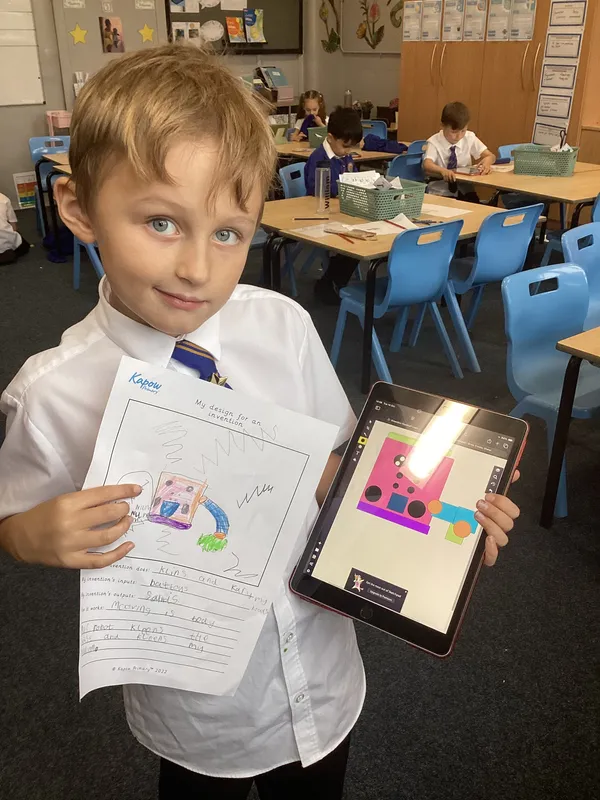
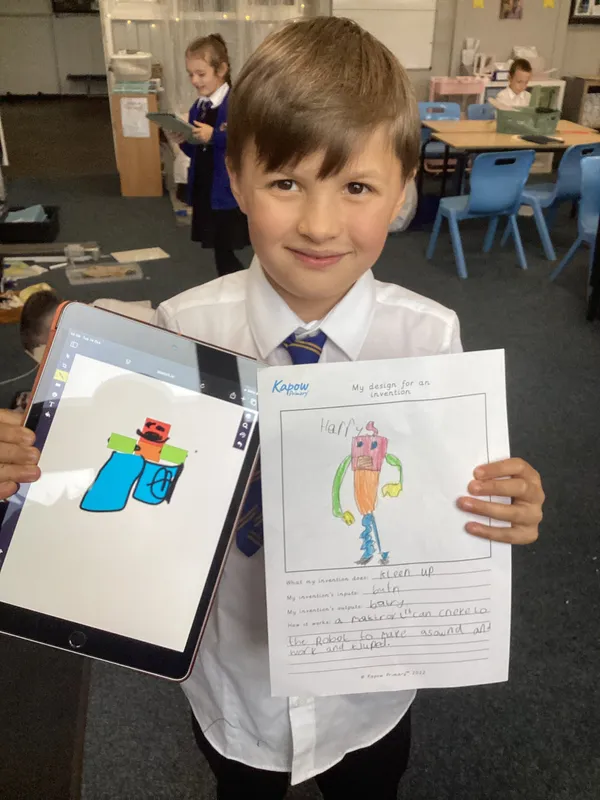
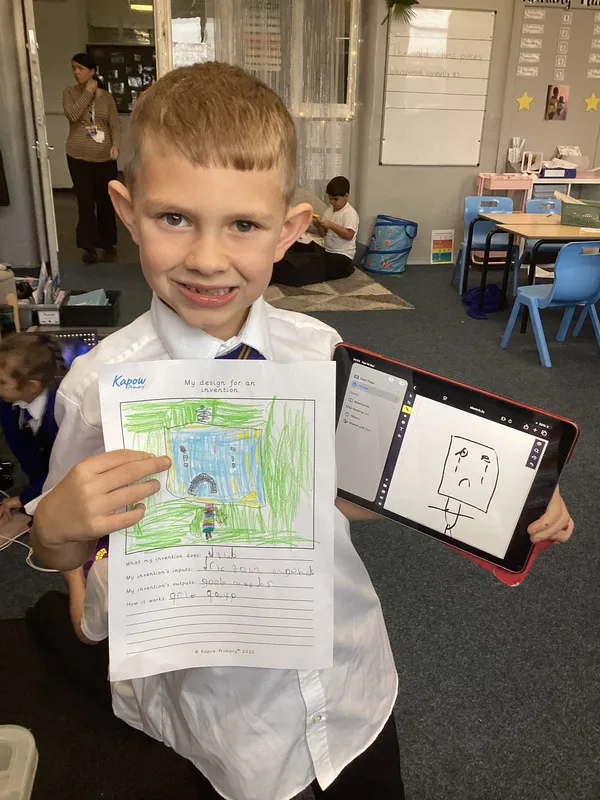
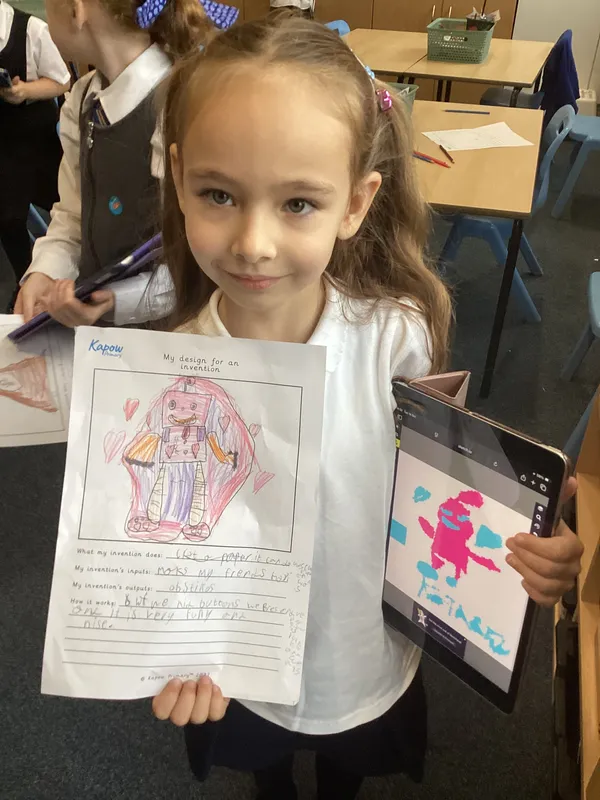
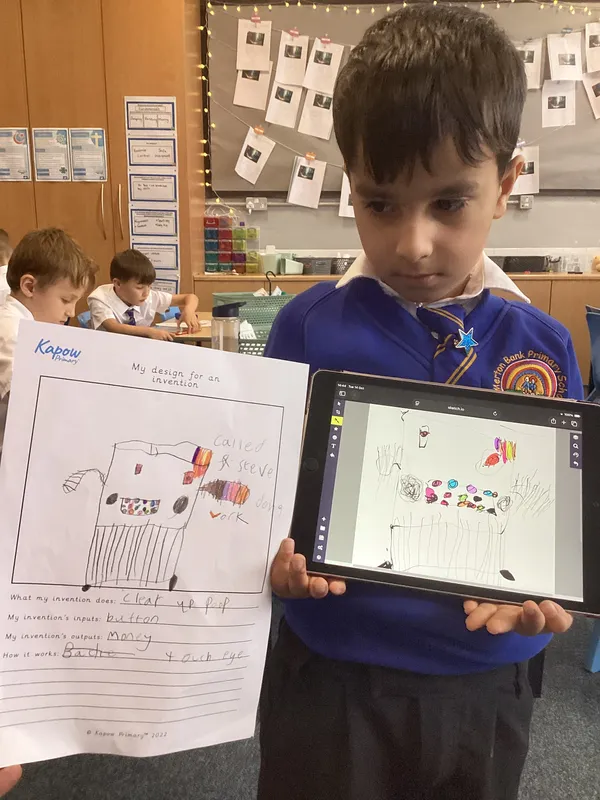
As their skills grow, children use creativity and problem-solving to design their own inventions, incorporating inputs and outputs to bring their ideas to life. Through these experiences, they come to see the important role computers play in our modern world and how technology can be used to support learning, communication, and innovation.
PE
Fundamentals
In PE, our children develop the skills, confidence and enjoyment to lead active and healthy lives. Through a range of fun and engaging lessons, children learn how their bodies move and how to use them with control, balance and coordination.
Children explore how to run at different speeds, change direction and dodge with accuracy. As their confidence grows, children build their balance and stability, learning how to land safely and move with increasing agility.
Through a variety of jumping, hopping and skipping activities, children develop rhythm, timing and co-ordination. They also enjoy combining these skills in exciting challenges, such as rope skipping and sequence jumping, helping them build stamina, teamwork and perseverance.
Our PE curriculum encourages every child to be active, to challenge themselves, and to discover the joy of movement.

Art
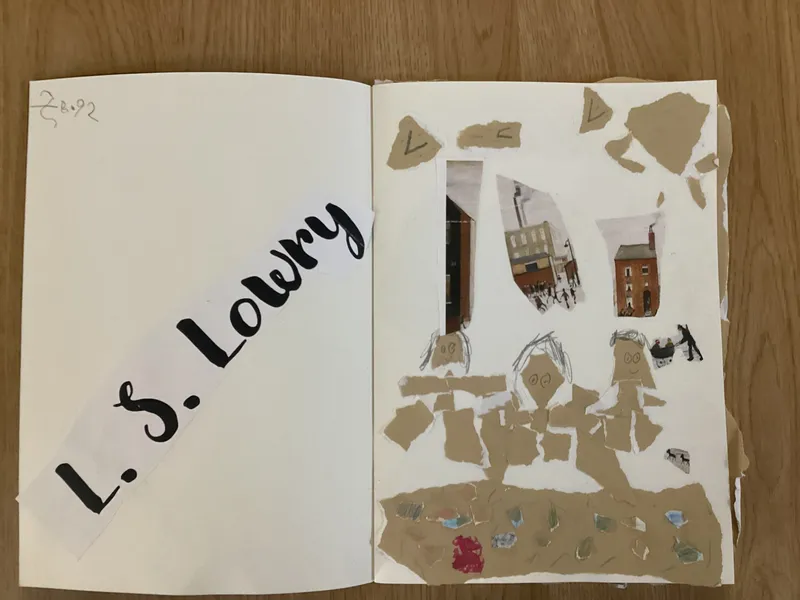
Sketching local landmarks and L.S Lowry
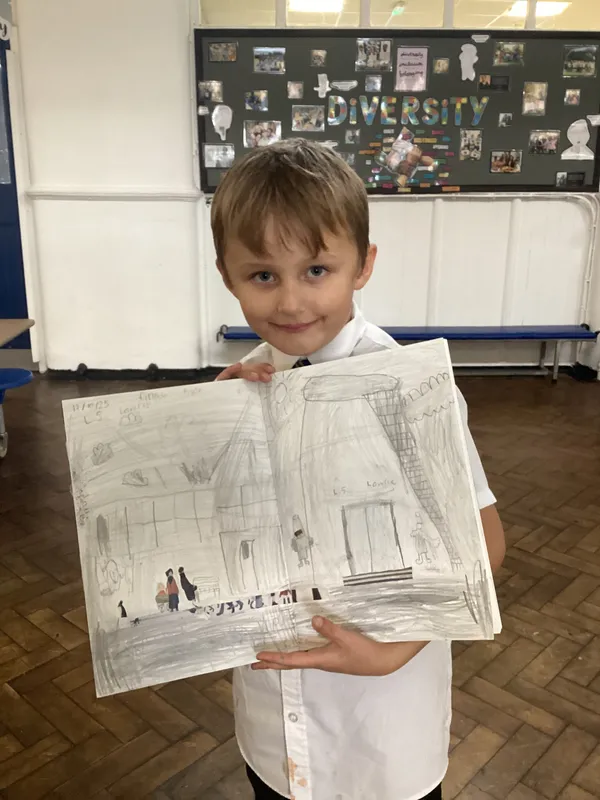
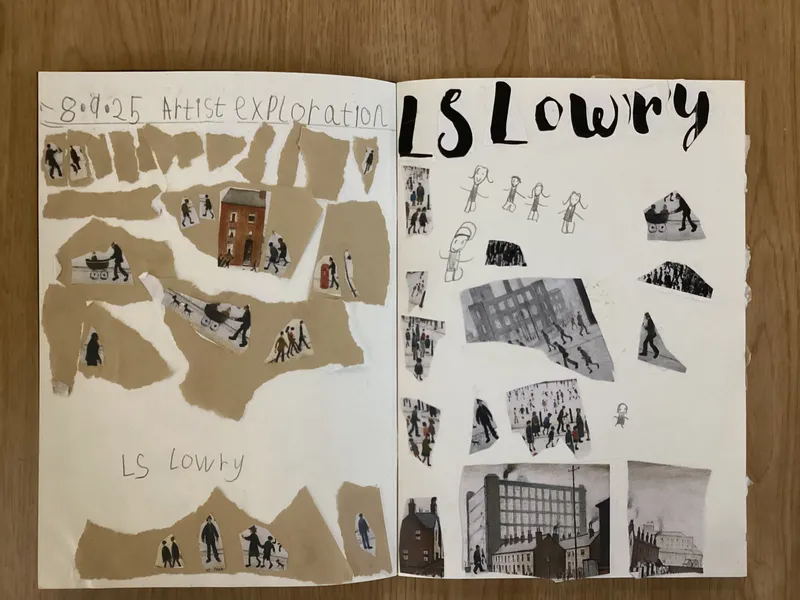
This half term, Year 2 have embarked on an exciting journey in Art, focusing on the landmarks of St Helens. We began by conducting research into various local landmarks, noting the purposes of each and articulating our likes and dislikes. Building on this knowledge, we planned our sketches, exploring how to use line and tone to reflect what we have seen and remembered. We have also started to investigate different grades of pencils, applying techniques such as hatching, cross-hatching, and stippling to convey patterns and textures in our work. Finally, we have created a sketch inspired by images and another drawn directly from the landmarks, labelling our choices of tools and materials. We are immensely proud of our creativity and collaboration!
Music

Forest School
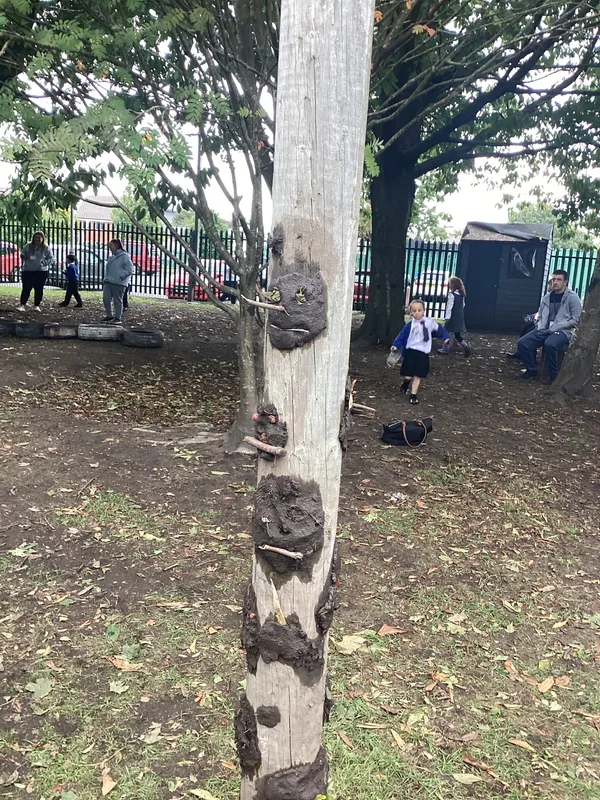
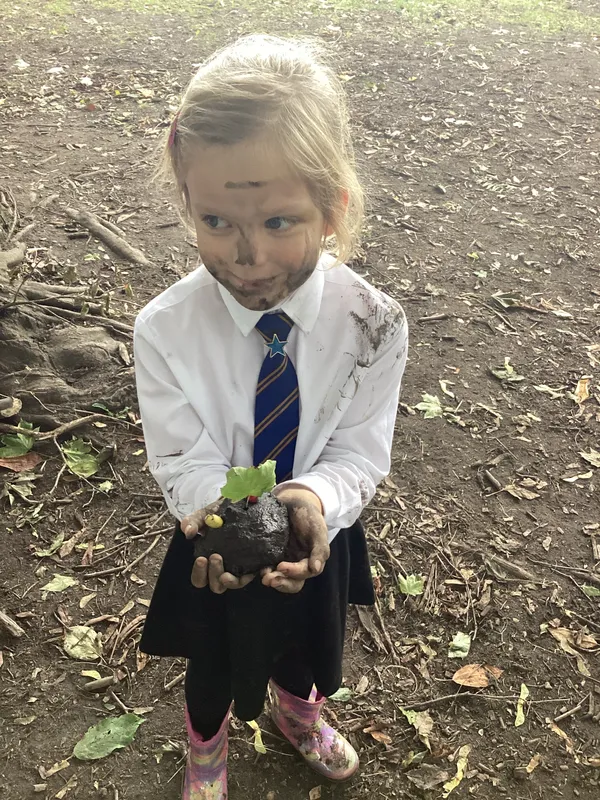
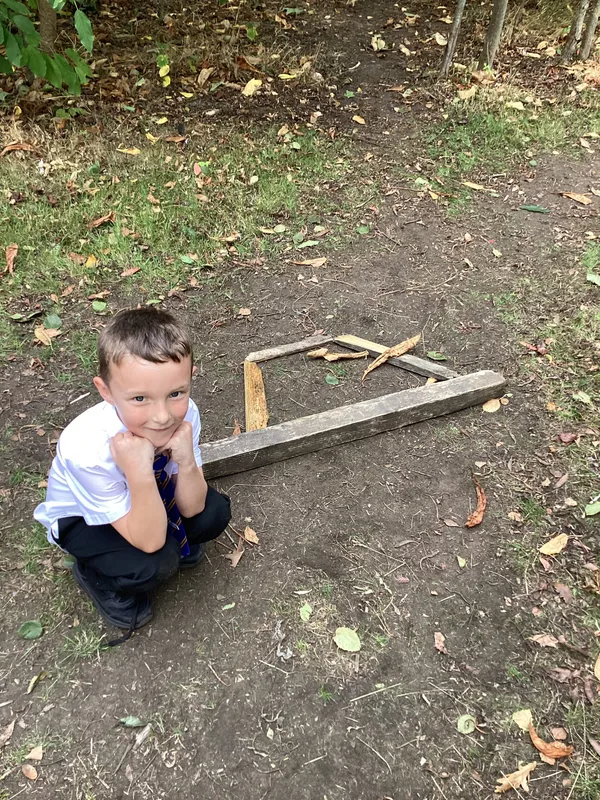
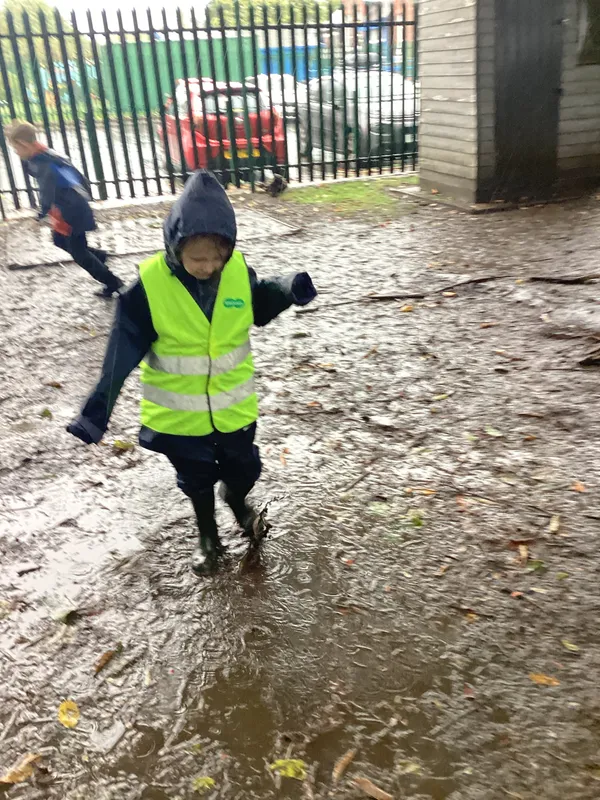
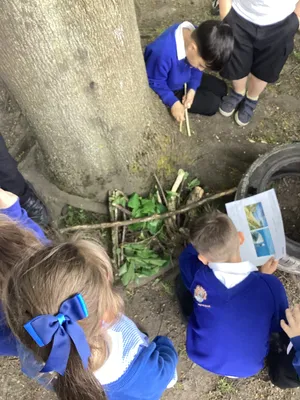
At Merton Bank, we believe that some of the best lessons happen beyond the classroom walls. Our Forest School and outdoor learning sessions give children the chance to explore, discover, and learn in the natural world.
Through hands-on experiences—like den building, nature art, bug hunting and fine motor development —children develop confidence, resilience, teamwork and a deep sense of respect for the environment. Outdoor learning helps to nurture curiosity and creativity, while supporting physical health and emotional wellbeing.
Whatever the weather, our children learn to problem-solve, take responsible risks and appreciate the beauty and wonder of nature. These skills and experiences enrich every aspect of their education and help them grow into thoughtful, capable, and caring individuals.
Science
Animals including humans - Growth
In Science, children develop a sense of curiosity and wonder about the world around them. In our unit ‘Animals, including Humans – Growth’, children explore how all living things change and grow over time.
They learn that animals, including humans, have offspring which grow into adults, and they begin to understand the basic needs for survival – water, food and air. Through practical investigations and discussion, children discover how to care for themselves and other living things.
As the unit develops, children also learn about the importance of exercise, healthy eating, and hygiene in keeping our bodies strong and well. By observing, questioning and drawing conclusions, they begin to think like young scientists – curious, careful, and eager to understand the world in greater depth.
RE
Does how we treat the world matter?
In RE, children explore big questions about life, faith and the world around them. In this unit, they learn from the Genesis story of creation, retelling it simply and thinking about what it teaches Christians about the world and their relationship with God
Children consider why Christians believe it is important to look after the world and explore how they might show their thankfulness for creation, for example through Harvest festivals and acts of care for the environment.
Children also identify ways humans use and sometimes misuse the world’s resources, thinking carefully about how our choices affect others and the planet. They are encouraged to ask questions about what they can do to show they care for the world, reflecting on their own responsibilities and how faith can inspire people to make a difference.
Through these lessons, pupils develop respect, empathy and a growing sense of moral responsibility — key foundations for living well together in God’s world.
Take a look at some of the exciting learning taking place In Year 2 during Autumn Term 2 2025!
Writing
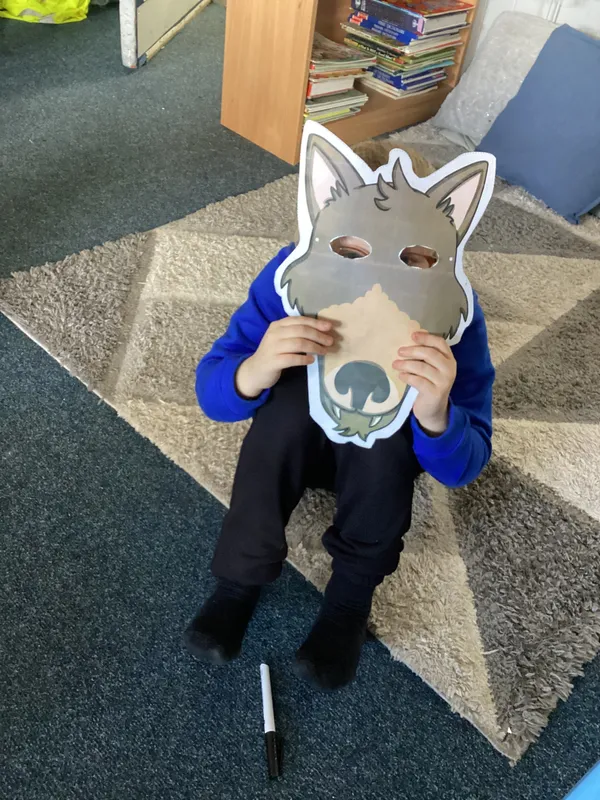
We received a letter from a mysterious character in our forest school. To our surprise, it was from the Wolf from the story of Little Red Riding Hood! This sparked an exciting discussion among us. First, we examined the features of a letter. We identified important elements such as: The sender's address, the date, a greeting, the body of the letter and a closing signature. Next, we engaged in a heated debate about the Wolf's actions in the story. Some of us argued that he was simply misunderstood, while others believed he was being very naughty. We discussed the following points: Should the Wolf apologise for his behaviour? What consequences should he face for his actions? Can we forgive him and help him change his ways? After our debate, we decided to write a reply letter to the Wolf. In our letter, we expressed our thoughts on his actions and shared ways he could make amends. This activity helped us learn about letter writing, critical thinking, and the importance of discussing right and wrong. We can't wait to see how the Wolf responds!
Writing
Year 2 have been diving into the wonderfully quirky tale The Papaya That Spoke! and using it as inspiration to strengthen our storytelling skills. This term, we’ve been expanding our vocabulary by exploring rich synonyms to make our writing more exciting and precise. We’ve also been practising the use of powerful adverbs to describe actions in a way that brings the story to life for our readers. In addition, the children have been introduced to inverted commas to show speech. We’ve been learning how speech can reveal a character’s actions, emotions and reactions, helping us write dialogue that truly sparkles. It’s been a fun and imaginative term—full of talking fruit and fantastic writing!
Maths
Addition and Subtraction
In Year 2, children build confidence with addition and subtraction by exploring numbers in practical, meaningful ways. We use a range of concrete resources such as Base 10, rekenreks, and tens frames to help children see how numbers are made and how they can be combined or partitioned. This half term, the children have been learning to: Recall and use addition and subtraction facts to 20 fluently, and derive related facts up to 100, Add and subtract numbers using concrete objects, pictorial representations, and increasingly formal written methods, Show and use commutativity in addition (understanding that numbers can be added in any order) and understand that this does not apply to subtraction and Solve problems using addition and subtraction, including missing number problems. We have introduced column addition and subtraction, where children are beginning to set out their calculations in columns and understand the process of carrying (exchanging) when a number crosses a ten. These written methods are always supported with practical equipment so children can see what is happening to the numbers. Throughout the unit, children practise explaining their thinking, using mathematical vocabulary such as ones, tens, exchange, difference, partition and commutative. This helps them develop both confidence and accuracy as they move towards more formal methods.
Whole Class Reading
This term we have been enjoying a selection of high-quality texts that help children build the skills outlined in the Year 2 reading curriculum, including developing fluency, expanding vocabulary, making simple inferences and discussing the sequence of events.
The Gunpowder Plot (Usborne)
This engaging non-fiction text helps children understand how information is organised. Pupils practise retrieving facts, using features such as headings and captions, and discussing cause and effect—all key skills in the Year 2 curriculum.
Flat Stanley by Jeff Brown
A favourite in Year 2, this story supports children in making inferences about characters’ feelings, predicting what might happen next, and discussing story structure. We explore how authors use language for impact and build confidence when reading longer chapter books.
Aesop’s Fables
These short traditional tales are perfect for developing comprehension, moral understanding, and the ability to talk about the central message. Children practise retelling stories and identifying how characters overcome problems—skills highlighted in the Year 2 curriculum.
Rosa Explores Life Cycles by Jessica Spanyol
Linked to our science learning, this simple non-fiction text helps children read for meaning, identify key facts and use contents pages and labels to locate information. It strengthens children’s understanding that reading has different purposes.
Talking Turkeys by Benjamin Zephaniah
Through poetry, children explore rhyme, rhythm and playful language. This supports curriculum aims around listening to, discussing and expressing views about poems, as well as performing familiar verses to build reading fluency and confidence.
Across all texts, children practise reading with growing accuracy and expression, build a wider vocabulary and develop their ability to talk about books with understanding. These experiences help nurture not only skilled readers but enthusiastic and curious ones too.
History
Who is the greatest history maker?
In Year 2, children have been exploring the idea of a “history maker”—someone whose actions have made a significant impact on the world and influenced the lives of others. We have discussed how history makers can be famous leaders, brave campaigners, explorers, scientists or even everyday people who bring about change in their community.
This term, our learning has included:
What is a History Maker?
Children developed their understanding of the past by learning that a history maker is someone who is remembered because they changed something, achieved something important, or inspired others. We have looked at how people’s actions can shape places, communities and even whole countries.
Margaret Thatcher and St Helens
We explored who Margaret Thatcher was and why she is a significant figure in British history. The children learned about how her decisions as Prime Minister affected towns like St Helens, helping them understand how national events can influence local communities. This supported the curriculum aim of understanding significant individuals in the past and the impact of historical events on our local area.
Inspiring Women Through History
To broaden our learning, we studied several influential women, discovering how each made their mark on the world:
-
Malala Yousafzai – standing up for children's right to education
-
Grace O’Malley – a bold leader known for her strength and determination
-
Hatshepsut – one of Ancient Egypt’s most successful pharaohs
-
Marie Curie – a pioneering scientist and Nobel Prize winner
-
Elizabeth I – a powerful Tudor queen who shaped English history
Through their stories, children learned to compare lives from different times, recognise achievements and understand how people overcome challenges to make a difference.
What Will We Be Remembered For?
To finish the unit, children reflected on their own qualities and hopes for the future. They thought about the actions, values or achievements they would like to be remembered for—kindness, bravery, creativity, helping others, or making the world a better place. This encouraged children to see themselves as capable of making positive contributions too.
Computing
Programming: Algorithms and debugging
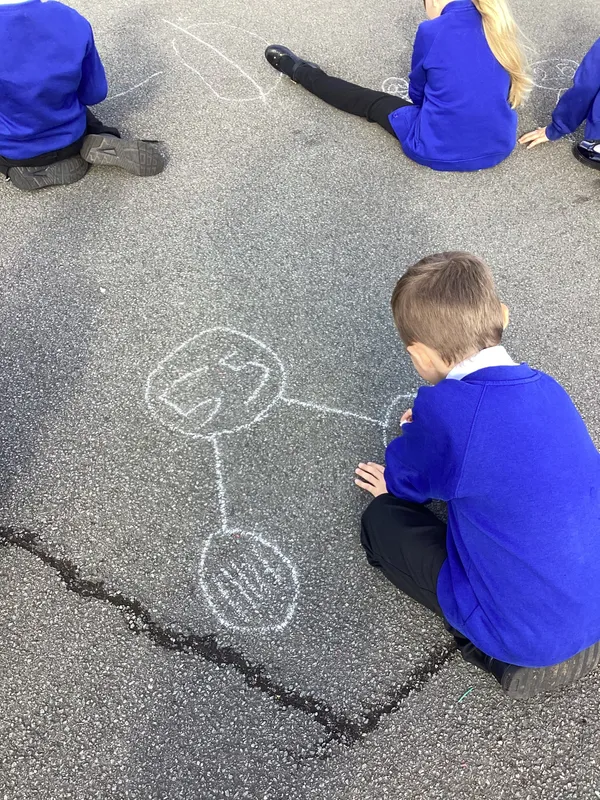
In Year 2, children are developing their understanding of how computers work and how programming can help solve problems. This term, we have been learning about some exciting computing concepts in ways that are age-appropriate and hands-on.
Machine Learning
Children explored what machine learning is and how it enables computers to make predictions based on data. They learned that computers can “learn” from examples to make decisions, helping them understand the power of technology in everyday life.
Loops in Programming
We introduced loops, where a set of instructions is repeated multiple times. Using simple programming activities, pupils learned to create sequences that repeat, building both efficiency and logical thinking skills.
Abstraction
Children discovered that abstraction is the process of removing unnecessary details to focus on the important parts of a problem. This helps them plan solutions clearly and think critically about how to tackle challenges effectively.
Throughout the unit, children practiced problem-solving, logical thinking and creative programming, laying a strong foundation for further computing learning in Key Stage 2.
Enrichment Opportunities
Chester Zoo
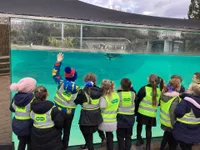
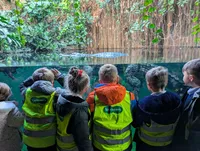
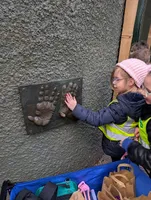
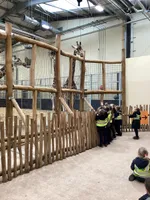
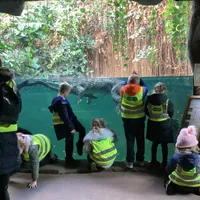
We would like to extend a huge thank you to Chester Zoo for coming into school to deliver their fantastic UK Wildlife Watch workshop. The children loved learning about local wildlife in such an engaging and hands-on way. We are also very grateful for the free tickets they provided, giving our pupils the wonderful opportunity to visit the zoo. During our trip, we were able to explore a variety of habitats and see animals up close, including red pandas, penguins, lemurs, and tropical birds, as well as learning more about the rainforest, savannah, and wetland environments. It was an inspiring experience that brought our learning about wildlife to life!
Forest School Fridays!
Each week in Forest School, our children step into the outdoors to learn, explore and develop a wide range of important skills. We’ve been busy drawing maps of our forest area, helping the children build their understanding of space, direction and the natural world around them. Forest School also plays a key role in supporting our wellbeing. Through active games, woodland challenges and plenty of fresh air, we are focusing on keeping fit and healthy while enjoying the freedom to move, climb and investigate. Most importantly, our sessions continue to strengthen teamwork and resilience. Whether we are building shelters, solving problems or working together to navigate the forest, the children are learning how to communicate, persevere and support one another. It’s wonderful to see their confidence and independence grow each week as the forest becomes a place for learning, adventure and shared success.
Take a look at some of the exciting learning taking place In Year 2 during Spring Term 1 2026!
Writing
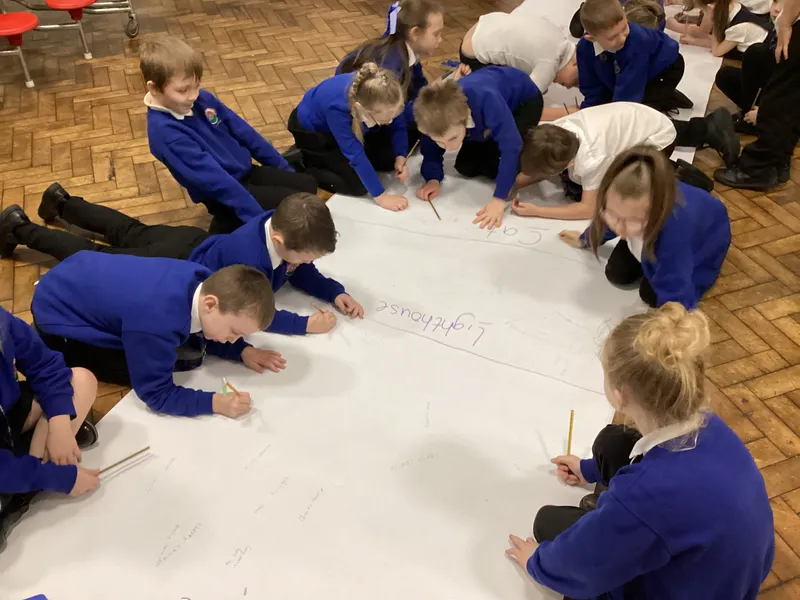
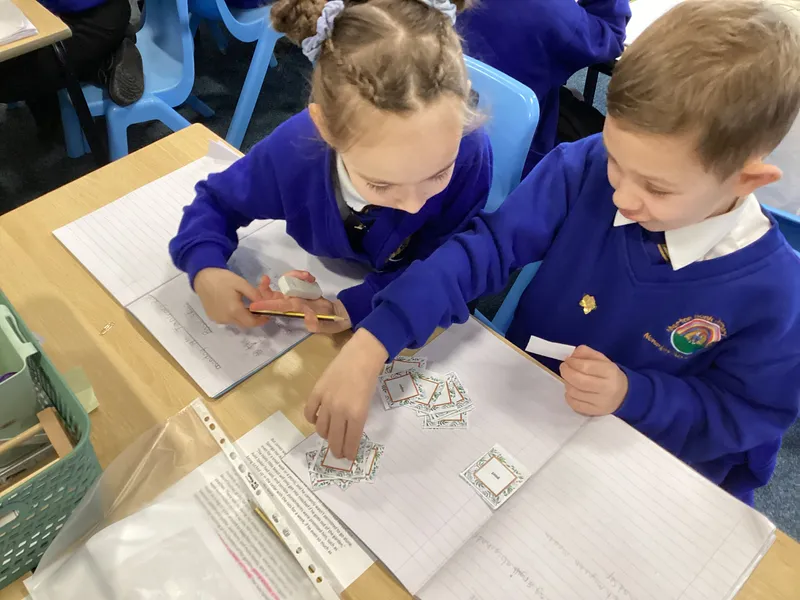
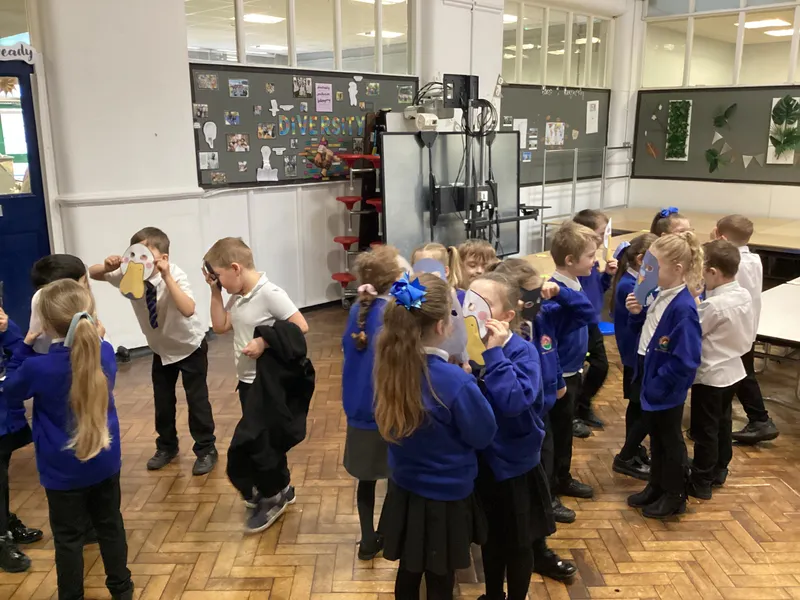
This term, our writing has been full of mystery, imagination and excitement! The children were intrigued when we received three ominous ‘wanted’ posters for unknown characters, who later turned out to be the main characters in our class story Little Charlie and the Lighthouse Keeper. This hook captured their interest and inspired rich discussion, prediction and creative thinking. We have been developing our descriptive writing skills by focusing on similes, alliteration and the ‘power of three’ to create vivid, engaging descriptions. The children have worked hard to improve their sentence structure, vocabulary choices and storytelling, showing growing confidence and creativity in their writing.
Maths
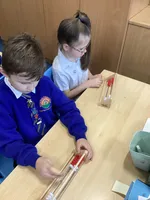
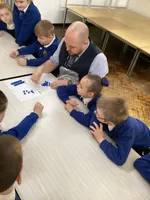
We successfully completed our addition and subtraction unit, using a wide range of concrete manipulatives to support understanding and deepen learning. These practical resources helped the children to confidently understand and embed the concept of exchanging, building strong foundations for future learning. We have now begun our multiplication and division topic, where children are exploring patterns, groups and repeated addition. This learning links closely with our Mastering Number sessions, particularly our work on ‘near doubles’, helping pupils make connections, spot patterns and develop strong mathematical reasoning skills.
Geography
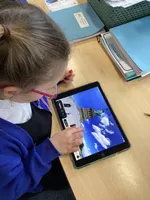
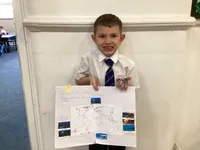
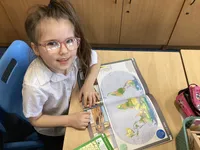
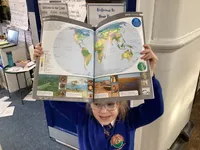
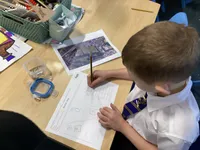
Our young geographers have loved exploring the world using atlases, non-fiction books and digital tools such as Google Earth. The children have learned to locate and name the four capital cities of the UK, identify important UK landmarks, discover famous landmarks from around the world, and confidently name the five oceans. We are completing our fieldwork unit with a visit to Sankey Valley, where pupils will explore local habitats and investigate human and physical features in our local environment. This hands-on learning helps children to make meaningful connections between classroom learning and the world around them.
Art
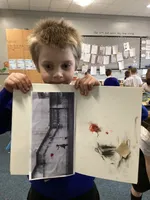
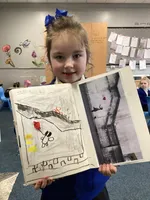
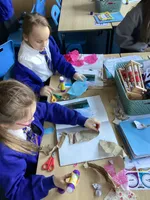
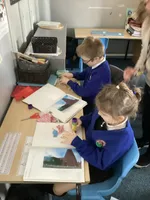
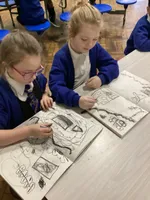
This term, the children have been inspired by the abstract artist Franz Kline and his bold, expressive style. We have explored abstract art through the use of strong lines, shapes, contrast and movement, encouraging pupils to think creatively and experiment freely. The children have also tried a variety of collaging techniques, exploring different textures, materials and compositions. They will use these skills to create a final piece of artwork that combines abstract art and collage, showcasing their creativity, individuality and developing artistic confidence.
Computing
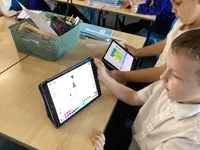
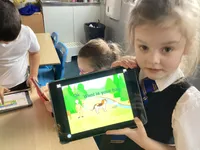
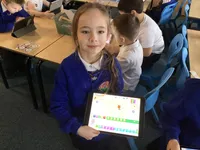
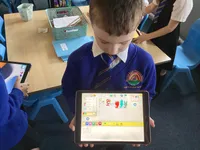
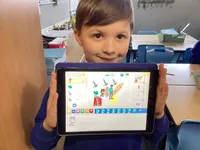
In computing, we have been using Scratch Jr to develop our understanding of algorithms and early programming skills. The children have explored what an app is, what it does and how it works, helping them to understand technology in a meaningful and age-appropriate way. Using their coding skills, pupils have created their own jokes and short sketches, learning how to sequence instructions, debug errors and work logically. This has supported both problem-solving skills and creativity, as well as building confidence in using technology.
Whole class reading
Our whole class reading sessions have focused on exploring protected characteristics, emotions and important life themes through a range of powerful and meaningful texts. Books such as Ossiri and the Bala Mengro, My Shadow is Pink, The Big Book of the UK, Bea’s Bad Day, The Heart in the Bottle and The Climbers have supported rich discussion, reflection and empathy. Children have developed their inference skills by reading between the lines, exploring characters’ feelings and motivations, and expressing their own thoughts and ideas confidently and respectfully.
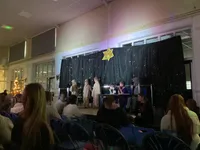
Lights, Camel, Action!
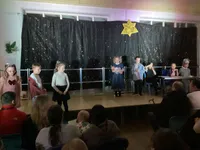
Over Christmas, we proudly hosted our families for our KS1 nativity performance, welcoming lots of our grown-ups into school. Although the children were understandably a little nervous performing in front of over 100 people, they showed incredible bravery, confidence and teamwork. They demonstrated our core values throughout rehearsals and the final performance, supporting one another and giving their very best. The result was a joyful, memorable performance that truly was the performance of a lifetime — and one that we are extremely proud of.
Take a look at some of the exciting learning taking place In Year 2 during Spring Term 2 2026!
Design Technology
Levers and Sliders
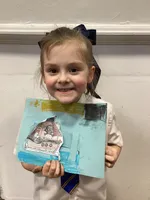
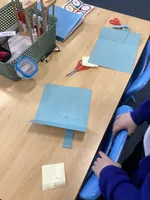
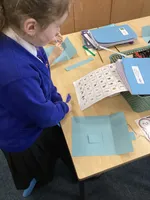
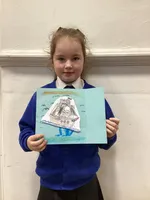
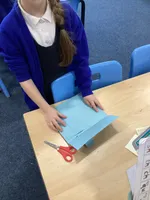
In Year 2, children are developing their practical design and technology skills by learning how to create products that move. This term, our focus has been on levers and sliders—mechanisms that allow parts of a product to move in different ways.
Skill: Levers and Sliders
Children explored how levers and sliders work, experimenting with simple mechanisms to understand how movement is created and controlled. They practiced planning and making designs that use these systems, developing both fine motor skills and problem-solving abilities.
Project: Pop-Up Books and Cards
As part of our project, children applied their knowledge by creating pop-up books and cards that include lever and slider systems. They learned to design, make, test, and improve their products, understanding that careful planning and iteration are key to success in design and technology.
Through this work, children gain confidence in making functional products, understand the purpose of mechanisms and enjoy seeing their ideas come to life.
Computing
Stop motion animation
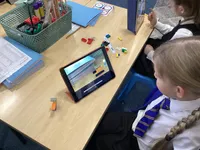
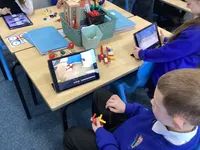
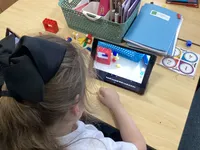
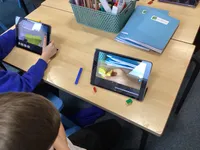
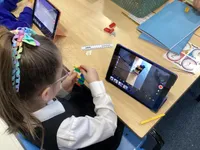
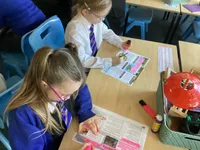
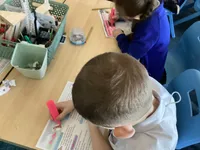
In Computing this term, the children will explore the exciting world of animation by creating their own stop motion films. They will learn how animations are made by taking a sequence of photographs and playing them together to create movement. Children will plan their ideas, move objects carefully between each photo and use simple digital tools to produce their own short animations. This project will help children develop creativity, problem-solving skills and confidence when using technology.
Writing
Non-chronological reports
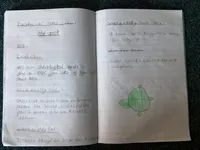
In writing this term, the children will be writing non-chronological reports about the animals they observed during our exciting enrichment trip to Chester Zoo. They will learn how to organise their writing using headings, facts and clear sentences to share information about different animals, including their habitats, diets and interesting features. The children will use their experiences from the trip to help them gather ideas and vocabulary, supporting them in writing informative and engaging reports while developing their knowledge of non-fiction texts.
History
The city of Pompeii...
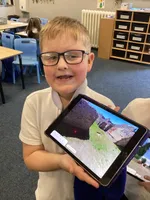
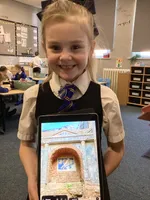
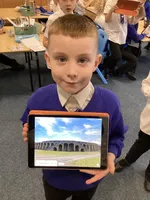
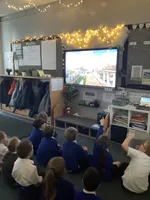
In History this term, the children will learn about the ancient city of Pompeii and what life was like there before the eruption of Mount Vesuvius. They will explore how people lived in Roman times, including their homes, food and daily activities. The children will also learn about the eruption and how it changed the city, as well as how archaeologists have discovered and learned about Pompeii through the remains that were preserved. This topic will help pupils develop an understanding of the past and how we learn about historical events.
Take a look at some of the exciting learning taking place In Year 2 during Summer Term 2026!
Maths
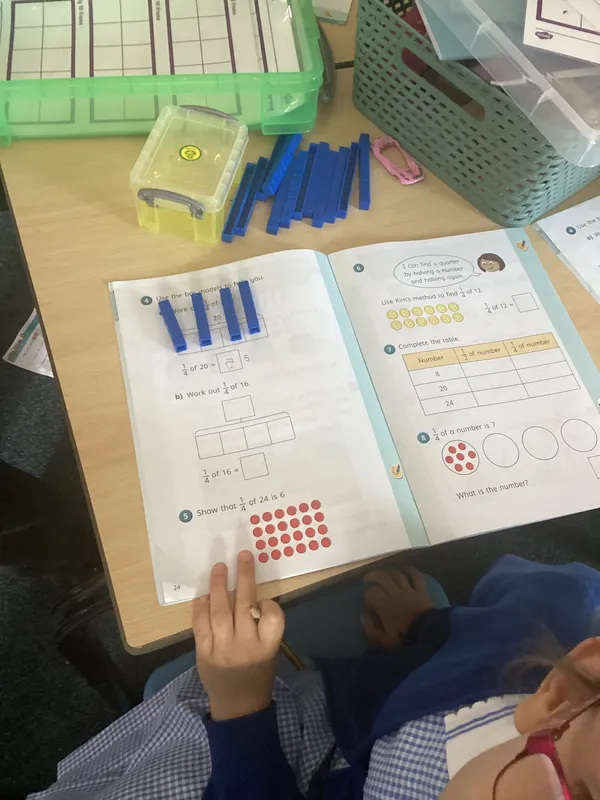
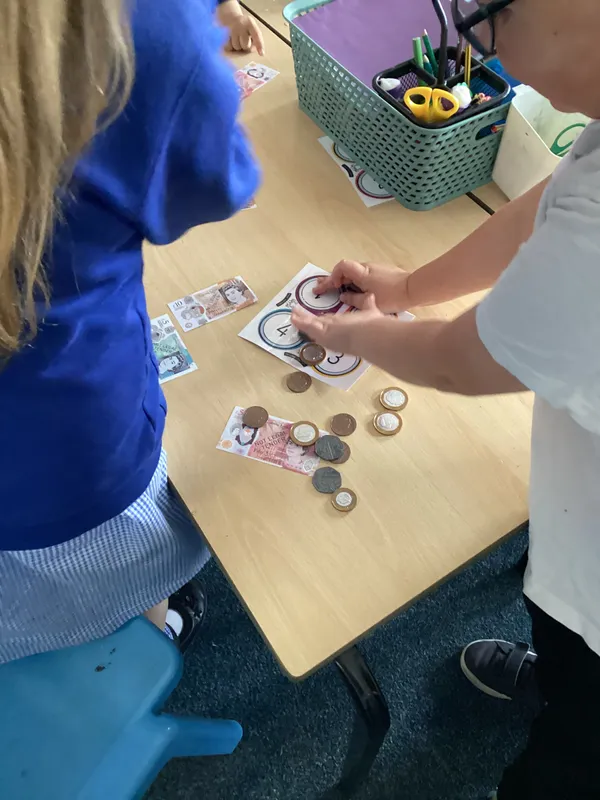
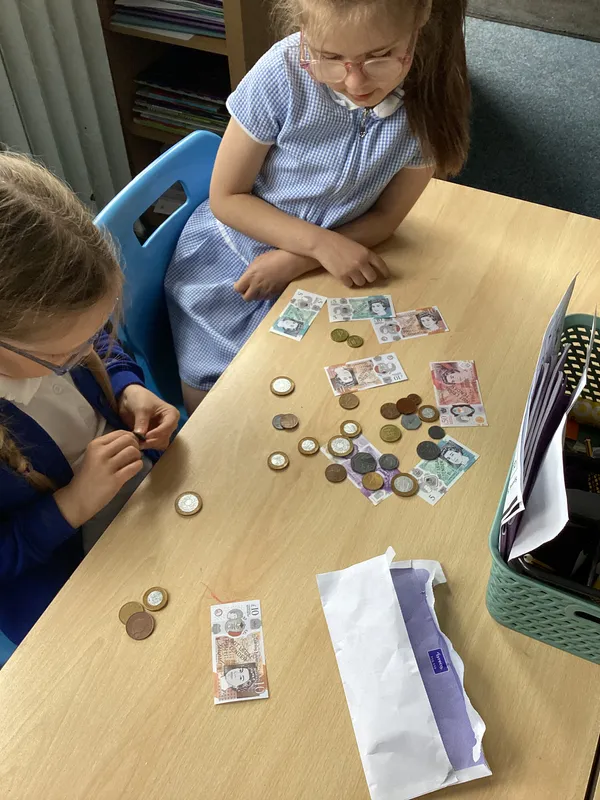
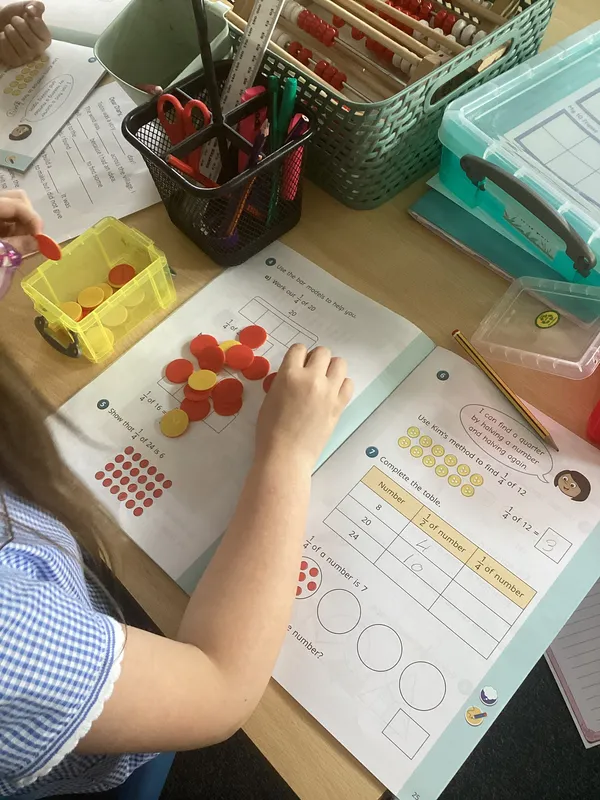
Fractions, Money and Statistics
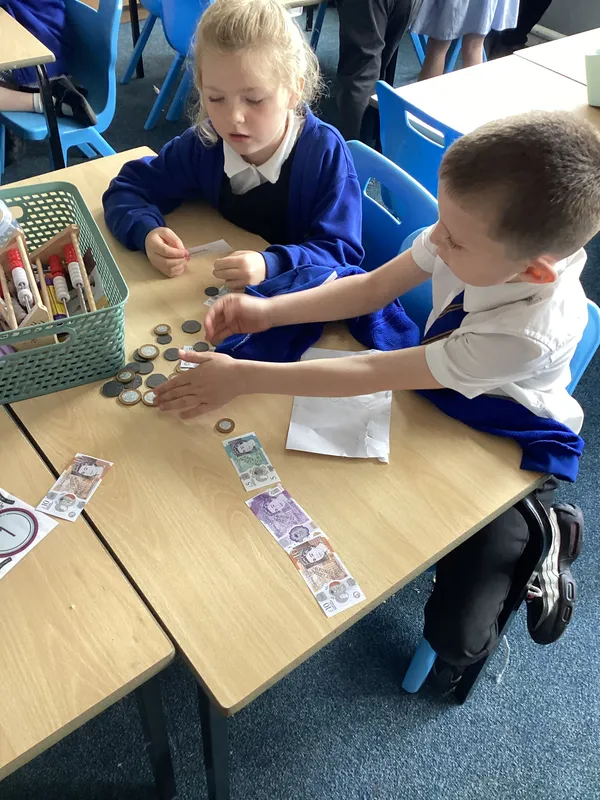
This half term in Maths, our children will develop their confidence and problem-solving skills through the topics of fractions, money and statistics. During fractions, the children will learn to recognise and find halves, quarters and thirds of shapes and amounts, using practical resources and real-life examples to deepen their understanding. In money, the children will identify coins and notes, make different amounts, compare values and solve simple problems involving giving change. Through statistics, the children will learn how to read and interpret pictograms, tally charts and block diagrams, as well as ask and answer questions using data. Throughout all topics, the children will be encouraged to explain their thinking, use mathematical vocabulary and apply their learning in practical and engaging ways.
Computing
International Space Station - ISS
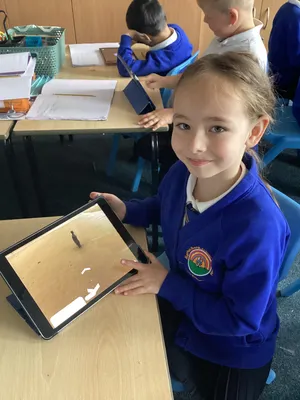
In this Computing unit, children will explore the fascinating world of the International Space Station (ISS) while developing their understanding of data handling and digital technology. The children will learn how astronauts survive in space, identify items needed to meet basic human needs and create digital drawings using a range of computing skills. They will use spreadsheets to input and interpret data, explore how sensors are used to monitor conditions aboard the ISS and create simple algorithms to help plants grow in space. The unit will also encourage children to think about how space exploration can improve life on Earth and use data to decide whether planets may be suitable for humans to live on. Throughout the topic, children will build confidence using technology, develop problem-solving skills and apply their learning through exciting, hands-on activities.
Geography
What is it like to live by the coast?
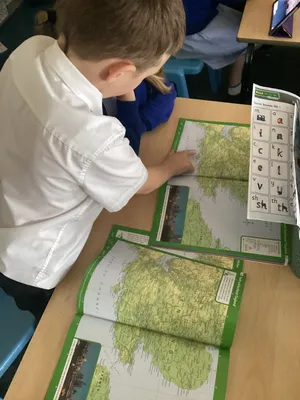
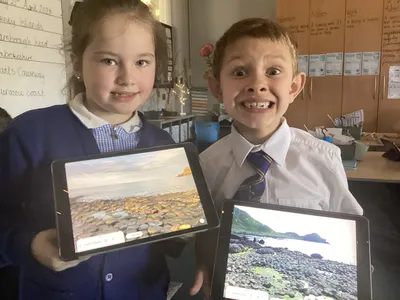
In this Geography unit, we will explore what it is like to live by the coast and develop our understanding of coastal environments in the UK. The children will learn to identify the seas and oceans surrounding the United Kingdom, describe the features of a coast and use geographical vocabulary to talk about physical features such as cliffs, beaches, caves and sand dunes. They will investigate the famous Jurassic Coast and explore how people use coastal towns such as Crosby for tourism, leisure and work. The children will also take part in fieldwork and data collection activities to help them understand how local coasts are used and why coastal areas are important. Throughout the topic, children will build map-reading skills, ask geographical questions and compare different coastal locations while developing a greater appreciation of the natural environment.
Art
Jackson Pollock
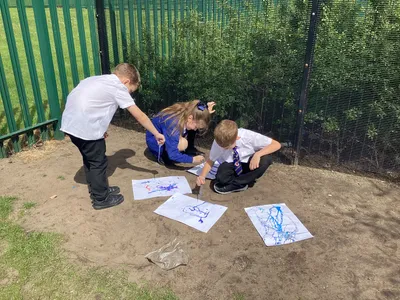
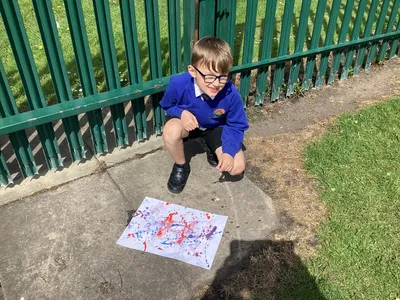
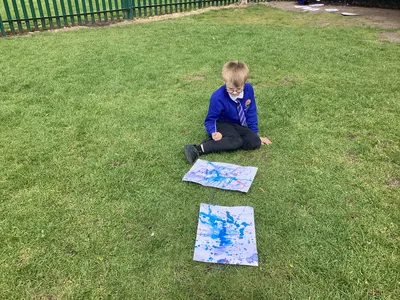
In Art, we will explore the work of Jackson Pollock and learn about his famous abstract painting style. We will investigate how Pollock used movement, colour and different painting techniques to create expressive works of art, including his well-known “drip painting” method. We will experiment with a range of tools and materials to splatter, drip, flick and layer paint, developing our creativity and confidence in exploring different artistic techniques. Throughout the unit, we will learn how art can express feelings and ideas in different ways, evaluate our own work and the work of others and create our own large-scale abstract masterpieces inspired by Pollock’s unique style.
PE
Athletics
In PE, Year 2 children will develop their athletic skills through a range of exciting activities linked to running, jumping and throwing. The children will learn how to sprint with control, jump for both height and distance and throw accurately and powerfully using different techniques. They will take part in challenges, team activities and personal best competitions, helping them to improve their balance, co-ordination, agility and stamina. Throughout the unit, children will also learn the importance of determination, teamwork and evaluating their own performance to identify ways to improve. The lessons will encourage children to stay active, work safely and develop confidence while enjoying a variety of athletics activities.
Science
Use of everyday materials
In Science, Year 2 children will explore the topic of everyday materials and investigate how different materials are used for different purposes. The children will learn to identify and compare the suitability of materials such as wood, metal, plastic, glass, brick, rock, paper and cardboard, using their properties to explain why certain materials are chosen for particular objects. They will take part in exciting practical investigations to explore how materials can be squashed, bent, twisted and stretched, and discover how materials can change shape. Throughout the unit, children will work scientifically by carrying out tests, making observations, recording results and asking questions about the world around them. They will also learn about important inventors and engineers who have helped develop new materials and technologies that improve everyday life.
Inspirational People
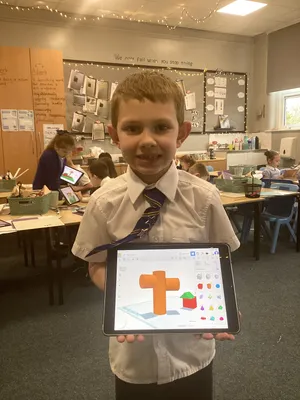
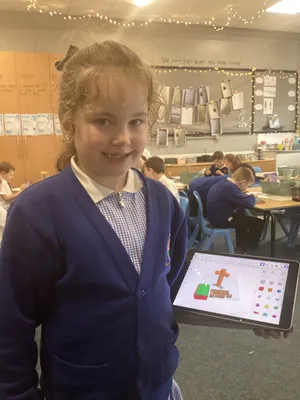
William Kamkwamba
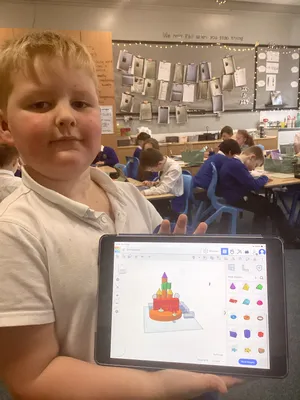
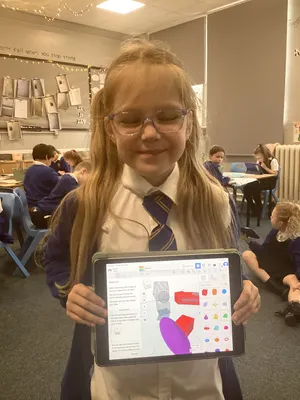
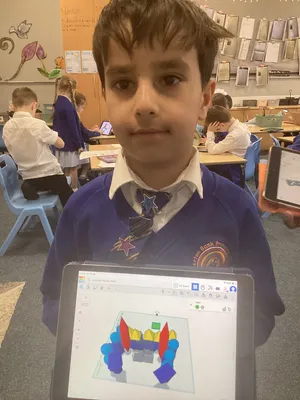
For our inspriational people topics, we learned about the inspirational inventor and author William Kamkwamba. We discovered how William used creativity, resilience and determination to build a windmill from recycled materials to help provide electricity and water for his village in Malawi. Through his story, we explored the importance of perseverance, problem-solving and believing in ourselves, while linking his achievements to our learning across the curriculum.
Thankfulness Value
As part of our whole-school value of thankfulness, the children reflected on the many things they are grateful for in their lives. Mrs McDonald kindly created a beautiful Thankfulness Tree for our class, which the children adorned with thoughtful messages and reminders of the people, experiences and opportunities they are thankful for. It was wonderful to see such meaningful reflections and the children’s appreciation for the world around them.
Writing
Rags to Riches and Diary entries
In English, Year 2 children will explore the exciting “rags to riches” story theme through well-known tales such as Cinderella, Aladdin, Harry Potter and the Philosopher's Stone and Charlie and the Chocolate Factory. The children will learn about story structure, characters, settings and how problems are resolved before creating their own imaginative stories inspired by these famous tales. Alongside this, the children will develop their non-fiction writing skills by creating diary entries linked to our class text Seriously, Cinderella Is SO Annoying!, retelling events from the perspective of the Stepmother. Throughout the unit, children will focus on using exciting vocabulary, sequencing ideas, expressing emotions and writing in role to deepen their understanding of characters and storytelling.
Enrichment
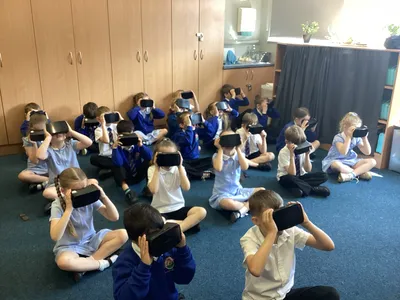
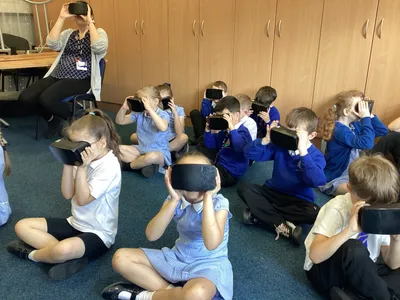
VR Day
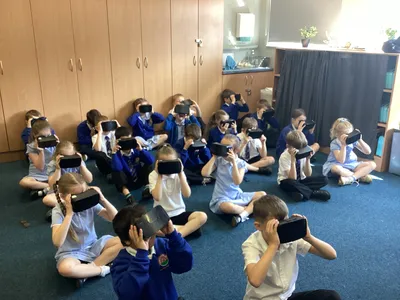
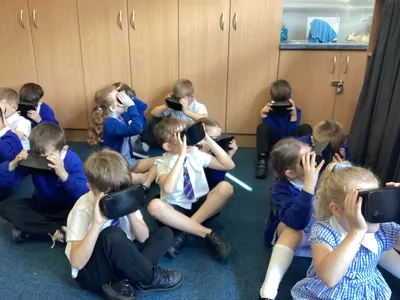
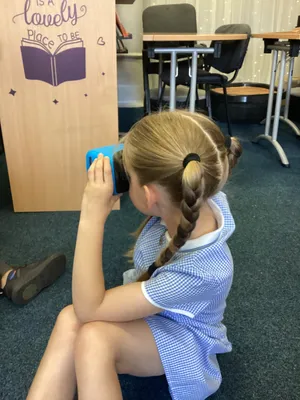
To enhance our learning in Science following our visit to Chester Zoo, Year 2 welcomed The Education Group into school for an exciting VR Day exploring the world of minibeasts and their habitats. Through immersive virtual reality experiences, the children were able to observe different habitats up close, identify a variety of minibeasts and learn how animals are suited to the environments in which they live. The experience supported the Year 2 Science National Curriculum by helping children explore living things and their habitats in an engaging, memorable and interactive way, bringing our classroom learning to life.
Enrichment
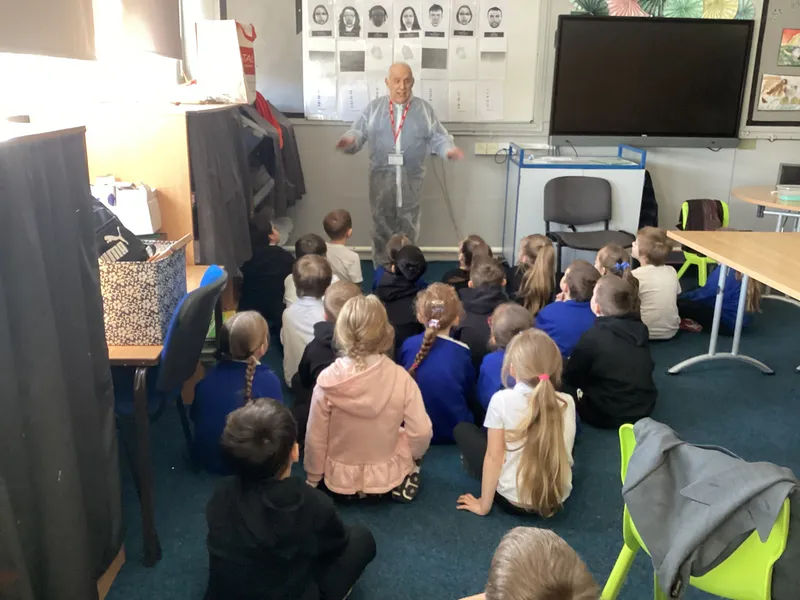
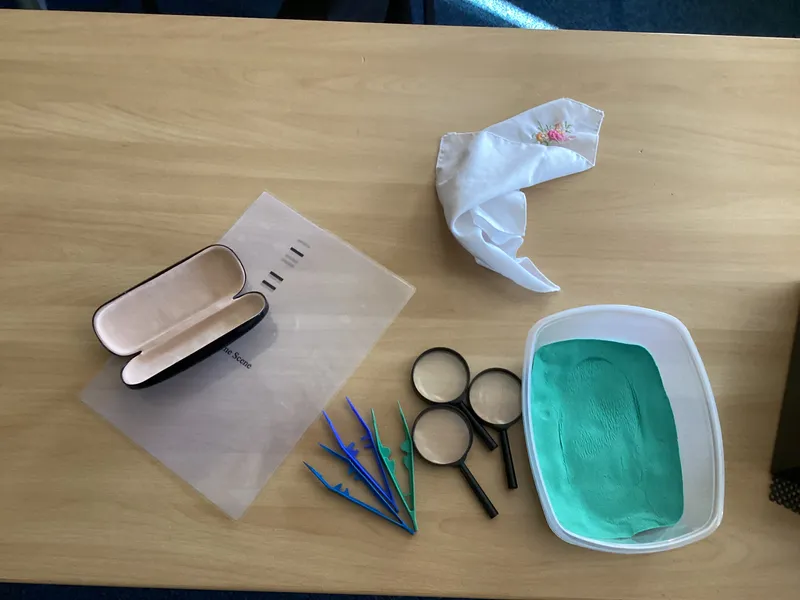
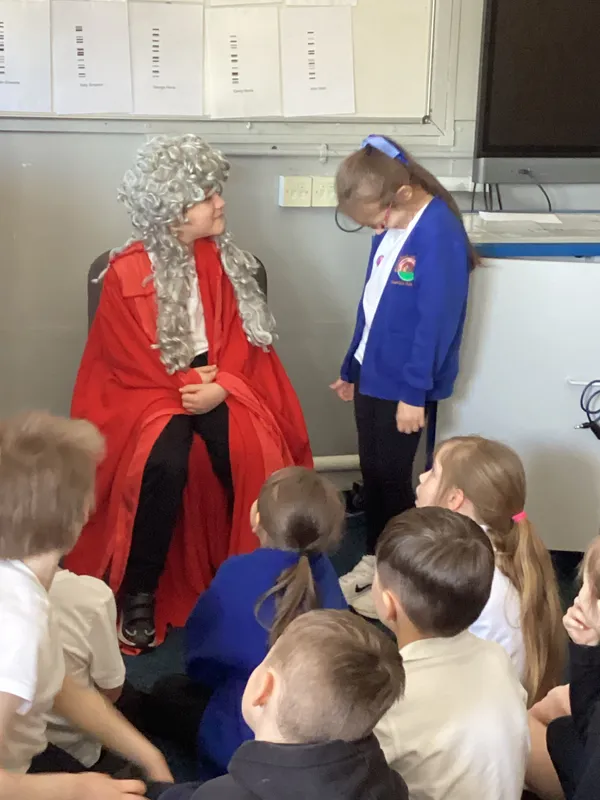
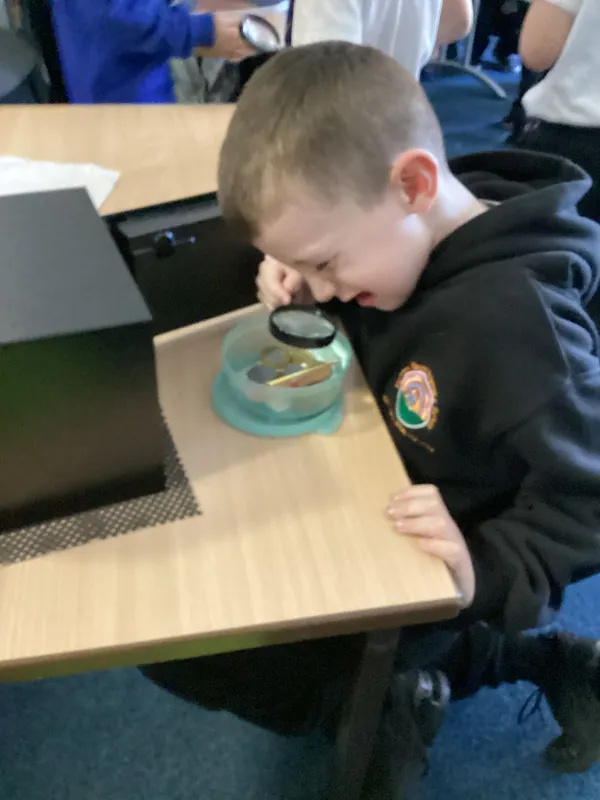
Forensic Science day
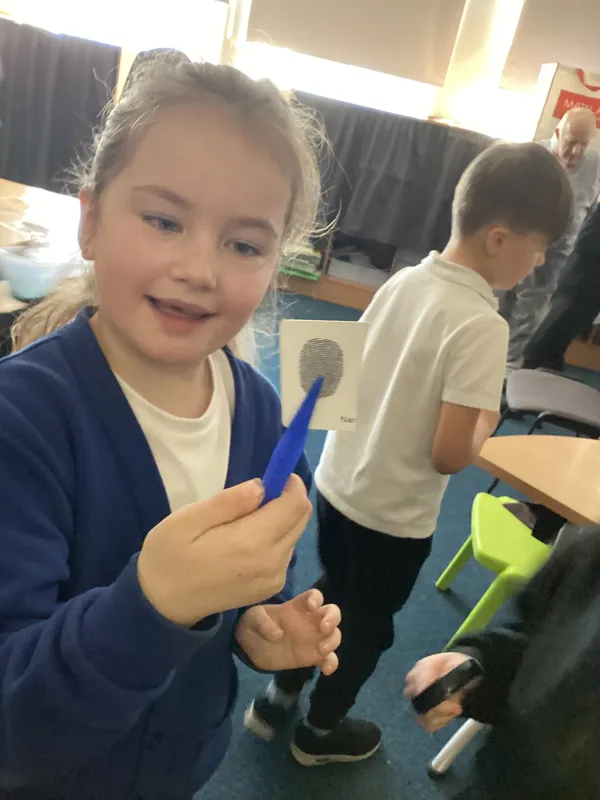
Year 2 enjoyed an exciting Forensic Science Day with The Education Group, where the children became real-life crime scene investigators for the day. Working collaboratively in teams, the children explored a mock crime scene and used a range of scientific investigation skills to solve the mystery. They examined fingerprints, investigated footprints and tool marks, analysed hair and fibre samples and explored how evidence is carefully collected and interpreted. The workshop provided fantastic opportunities for the children to develop their observation, questioning and problem-solving skills through hands-on scientific enquiry, while also encouraging teamwork, resilience and curiosity in a fun and memorable way.


